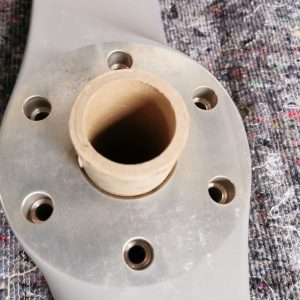
The Sensenich Propeller – P/N 74DM6-0-60
A Sensenich Propeller P/N 74DM6-0-60 may also be advertised as a Sensenich 74DM6 Propeller or 74DM6-0-60 Aircraft Propeller when every model character, suffix, serial marking, and alteration detail is stated accurately.
Whether described as a Sensenich Fixed-Pitch Propeller, Sensenich Aluminum Propeller, Fixed-Pitch Aluminum Propeller, or Aluminum Aircraft Propeller, the individual unit should receive professional inspection before installation.
The 74-Inch Aircraft Propeller, 60-Inch Pitch Propeller, Lycoming O-320 Propeller, and General Aviation Propeller keywords represent common dimensional, engine, and application searches associated with the model.
A Two-Blade Aircraft Propeller should be treated as one matched rotating assembly, while a Sensenich Aircraft Propeller should be identified through verified manufacturer markings.
Reviewing P/N 74DM6-0-60 Markings
Complete identification reduces unsuitable purchases and gives maintenance professionals the information required for further review.
The serial number should match all supplied invoices, manufacturer documents, inspection records, and release paperwork.
New and Never Installed Condition
This condition can provide significant value, but it does not independently confirm current serviceability after storage, transport, or repeated handling.
The propeller should be inspected even when it remains inside original packaging because temperature changes, condensation, impact, chemical exposure, and shifting during transport can affect condition.
Understanding Fixed Blade Geometry
Correct matching protects the engine, propeller, and aircraft from unsuitable loading or operation.
The pitch configuration affects engine RPM, acceleration, climb characteristics, cruise behavior, and overall loading.
Evaluating Blade and Hub Condition
Aluminum construction offers a durable and proven solution for many general aviation aircraft when the blades, hub, mounting surfaces, leading edges, tips, and protective finish remain within acceptable condition.
Both blade faces, backs, roots, tips, leading edges, trailing edges, and hub transitions should be examined under suitable lighting.
Understanding Diameter and Aircraft Clearance
Any authorized diameter reduction should appear in the propeller markings and maintenance records.
The receiving aircraft must provide sufficient propeller clearance under applicable loading and operating conditions.
Understanding the 60-Inch Pitch Propeller
Actual aircraft performance also depends on aerodynamic slip, weight, altitude, temperature, engine condition, and airframe design.
A never-installed propeller should still be reviewed for shipping distortion, impact, or manufacturing-record consistency.
Avoiding Universal O-320 Compatibility Claims
A propeller approved for one O-320-powered aircraft may not be approved for another aircraft using a different engine variant, airframe, spinner, or installation configuration.
The mounting flange, pilot fit, bolt pattern, spacer arrangement, and spinner components should also match the receiving installation.
Two-Blade Aircraft Propeller Configuration
Shipping damage or improper storage affecting one blade can influence the balance and suitability of the complete propeller.
The buyer should examine both blades for differences in paint, coating wear, pressure marks, corrosion, shape, tip condition, and packaging contact.
Evaluating Mounting Holes and Surfaces
A genuinely never-installed propeller should not show unexplained fretting, bolt loading, or flange-contact patterns.
Fasteners should not be selected solely by visual appearance, basic diameter, or thread size.
Checking a New Sensenich Propeller
Professional evaluation protects the Sensenich Aircraft Propeller from unsuitable installation.
Trailing edges and blade tips should remain free from bending, cracking, deformation, edge damage, and inconsistent contour.
Corrosion Inspection and Storage History
Discoloration, white residue, paint bubbling, coating separation, staining, or pitting should be evaluated instead of dismissed automatically as cosmetic.
Periodic inspection can identify developing coating or environmental concerns.
Understanding Approved Propeller Design
The buyer should confirm the data plate, serial number, production information, conformity records, release documents, and exact approved aircraft application.
Installation eligibility depends on the exact aircraft, engine, configuration, approved data, and applicable maintenance requirements.
Reviewing Purchase and Storage Records
Reliable traceability improves professional buyer confidence.
Records should remain protected from alteration, moisture, loss, and separation from the propeller.
Aircraft Propeller Condition Review
Detailed review reduces unsuitable purchases and unexpected inspection costs.
- Confirm P/N 74DM6-0-60, the complete serial number, manufacturer markings, 74-inch diameter, 60-inch pitch, blade count, hub dimensions, bolt pattern, and original configuration.
- Confirm the manufacture or purchase date, storage duration, environmental conditions, preservation method, ownership history, and absence of operating time.
- Confirm the sales invoice, payment protection, packaging method, freight insurance, inspection period, return terms, and stated propeller condition.
Preventing Transportation Damage
The propeller should be packaged in a rigid crate or container that supports the hub and protects both blades from bending, impact, abrasion, and uncontrolled movement.
The propeller should remain immobilized throughout transport.
Protecting the Propeller Before Installation
During storage, the propeller should remain clean, dry, supported, protected from impact, and separated from corrosive chemicals or uncontrolled environmental exposure.
Identification labels, serial records, release documents, and included hardware should remain associated with the correct propeller.
Completing the Propeller and Spinner Assembly
Professional installation protects the propeller, engine, and airframe.
Blade tracking should be evaluated after mounting.
Dynamic balance may be Certified Aircraft Propeller considered after mechanical condition and correct installation are confirmed.
Preventive Blade and Hub Inspection
Small nicks, scratches, coating damage, loose spinner parts, unusual vibration, or fluid exposure should receive timely attention.
The propeller should receive additional inspection after a suspected strike, sudden engine stoppage, overspeed, severe vibration, loose installation, lightning-related concern, or transportation impact.
Buying P/N 74DM6-0-60
A recent professional inspection may add value when the scope, measurements, findings, and documentation are described accurately.
Buyers should compare complete and documented propeller packages rather than price alone.
Selecting a General Aviation Replacement Propeller
New, Never Installed can become a valuable general aviation propeller.
Buyers should request current photographs, exact dimensional information, transparent condition disclosures, inspection details, protected freight arrangements, secure payment terms, and qualified propeller review.
Whether maintenance teams are sourcing a Two-Blade Aircraft Propeller, Sensenich Aircraft Propeller, Replacement Aircraft Propeller, or Certified Aircraft Propeller, professional inspection and installation should precede operational use.
With verified identity, suitable dimensions, documented storage, acceptable physical condition, professional installation, and routine maintenance, the propeller can provide dependable long-term value.